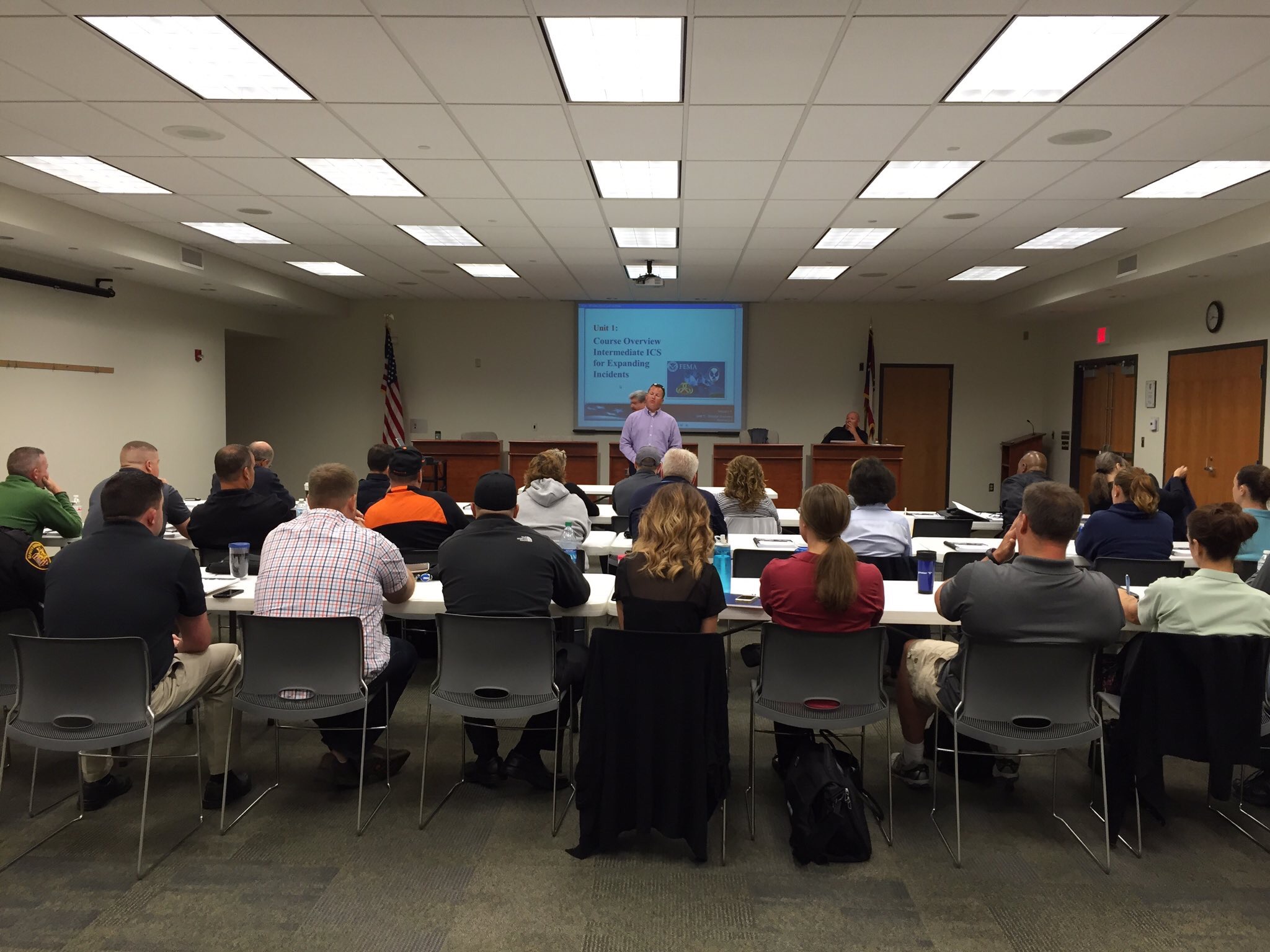
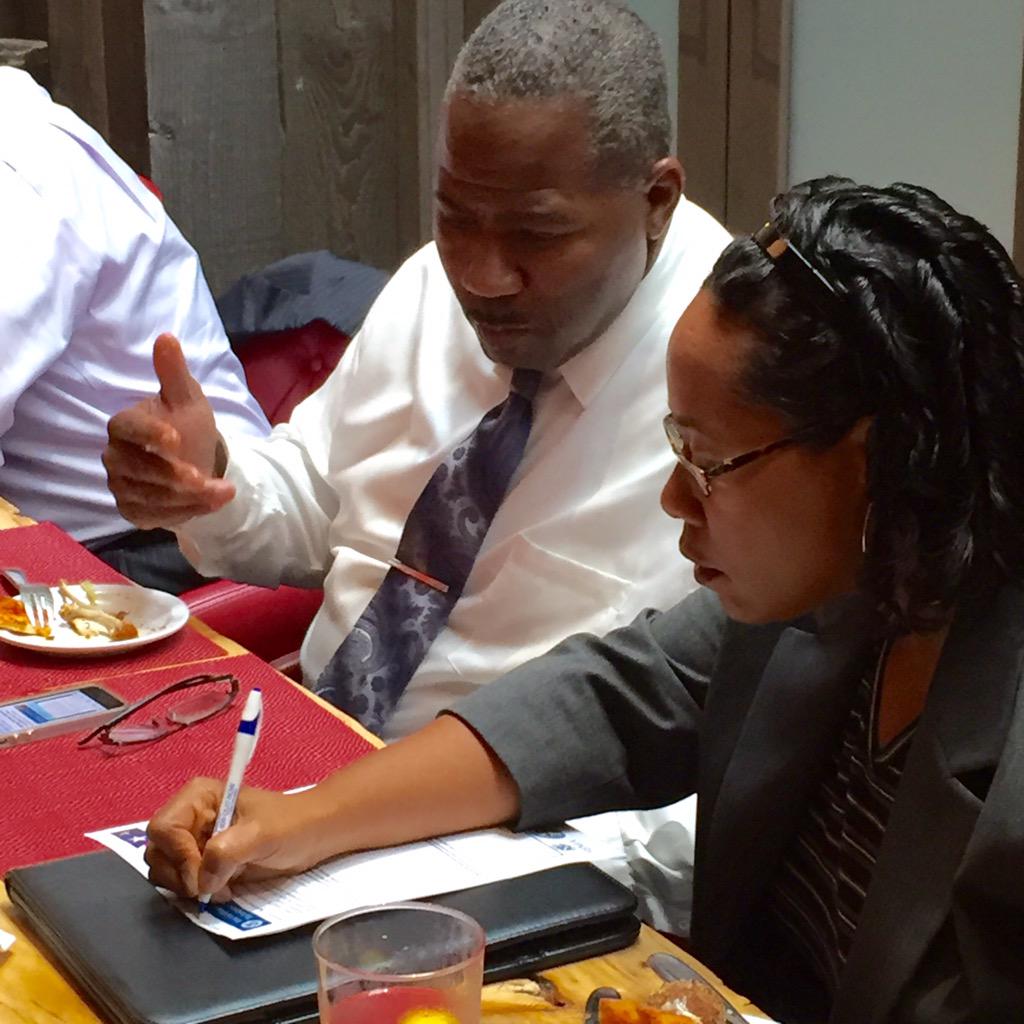
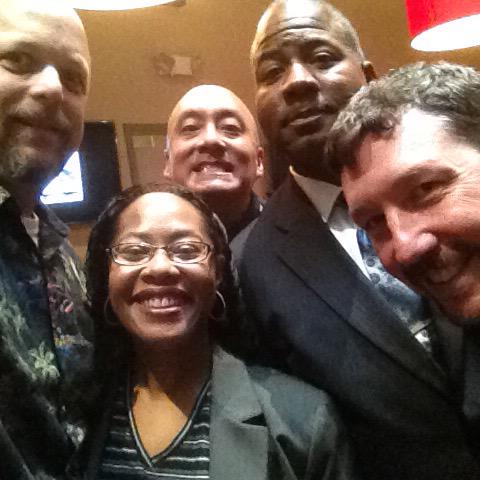
Hamilton County All-Hazards NIMS ICS-300 class during #NatlPrep Month!

Part of being prepared is taking classes with your local public safety professionals.

Hamilton County EMA Emily Lakamp welcoming class


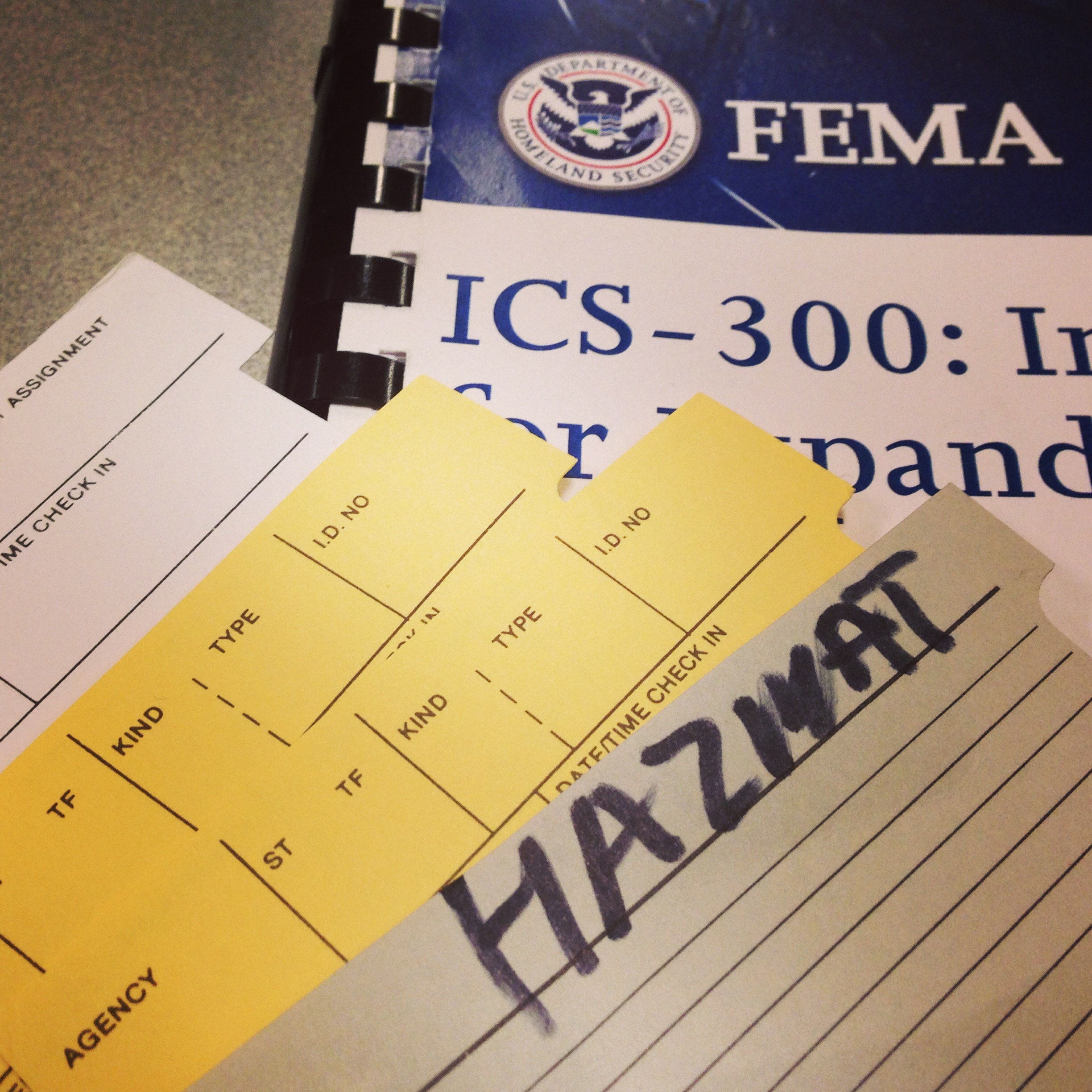
Today, Hamilton County EMA partnered with Ohio Emergency Management Agency to bring ICS-300: Intermediate ICS for Expanding Incidents. 3-day intensive course to talk about the basics of ICS and NIMS and how it applies to all public safety and everyone during an incident/event.

OEMA Instructor Kevin Sur breaking down PPD-5 and PPD-8 for the ICS-300 class


If I counted correctly, we have almost all ESFs represented today! #awesome

Training is key as we continue to push preparedness efforts throughout the county and state. Learning about capabilities is key in any disaster response. 

Ohio EMA Southwest Regional Supervisor Phil Clayton addressing participants today


Glad to see everyone engaged today…esp on disaster response. 

This afternoon, in the world of tabletop exercise disaster training, we will likely ruin Central City, decimate Columbiana County, and then trash the State of Columbia. Oh yeah, and of course flood Emerald City too.


“Don’t Wait. Communicate. Make Your Emergency Plan Today.”

@rusnivek

Press credentials discussed

We talked a little about press credentials last week in our Ohio Emergency Management Agency (OEMA) Basic Public Information Officer (PIO) class. Here’s an example of Chicago’s press creds.

10641141_548741011894251_8860913954215809624_n

(Some of you may remember Erin Kennedy from WKYC 3 here in Cleveland).

PIO Pro Tip: Build trusted relationships w/ the media prior to an incident.

@rusnivek


Spent my day with my hometown CERT

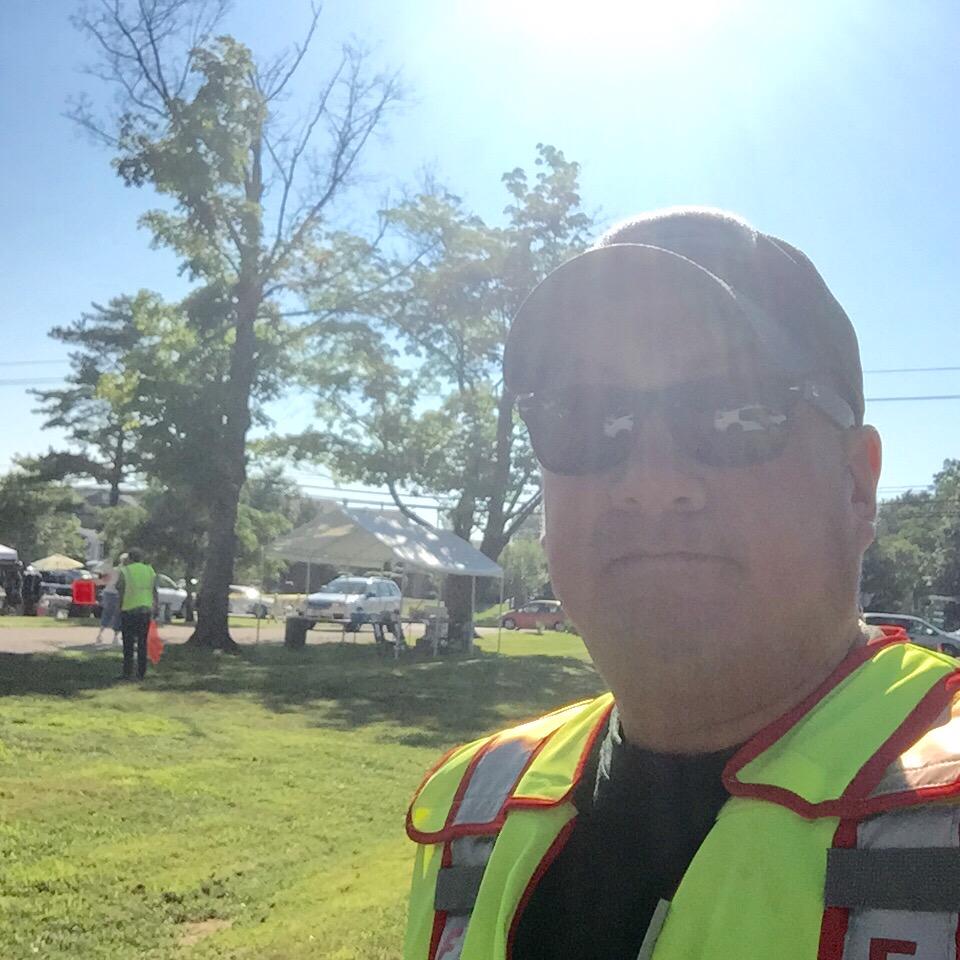
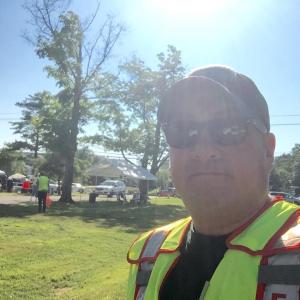
Spent my day volunteering with my hometown Community Emergency Response Team (CERT).

On arrival, I thought I was going to get assigned a different task, but logistics and parking was the identified main concern and safety was an issue.
CJo4GxIUMAEgoPf

After I got briefed on the event, I discussed our situation with all the participants. As CERT, we coordinated our efforts so that our actions/tactics could best match the safety of our personnel as well as others who were there attending the event.

I briefed the Mayor on our ongoing operations and even looked at a few alternate plans.
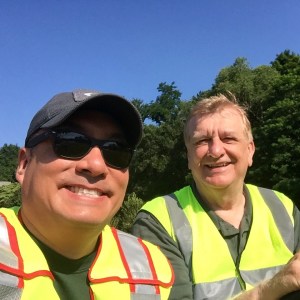
IMG_6245

Of course we continued to assess our event and think about other safety measures.
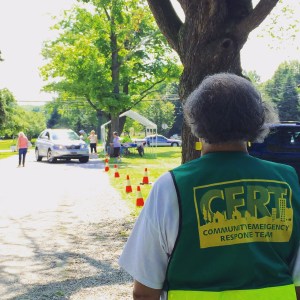
IMG_6249

And of course we had a few moments to share a smile.

IMG_6240

Fun fact, our Council President and Safety Chair is also a proud founding member of my awesome CERT Team. Booya!
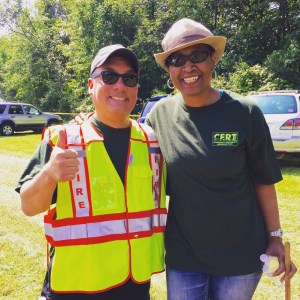
IMG_6252

Seriously, I love it when elected members of local government give back to their community.

We identified a few issues that will need to be made for the 2016 event (like a formal all-hazards traffic plan with maps, uniformed vests, pre-event plan dissemination/distribution, more participation, etc…). Maybe a formal Incident Action Plan (IAP). Fairly easy stuff that we would be happy to share w/ our constituents.

Wait….What? You have never heard of FEMA’s CERT program before? Community Emergency Response Team (CERT) Program educates people about disaster preparedness for hazards that may impact their area and trains them in basic disaster response skills, such as fire safety, light search and rescue, team organization, and disaster medical operations. Using the training learned in the classroom and during exercises, CERT members can assist others in their neighborhood or workplace following an event when professional responders are not immediately available to help. CERT members also are encouraged to support emergency response agencies by taking a more active role in emergency preparedness projects in their community.

More info can be found on FEMA’s website here.

Want to volunteer within your own community? Want to make a difference in your community? Click here to locate the closest CERT Team to you!

As always, I believe I can make a difference in my community. Fun fact: I’ve been volunteering with my CERT since 2007.

I hope you will do the same.

@rusnivek

Solid weekend ICS class in Belmont County

Great weekend ICS class!

IMG_2692

Good mix of participants from Ohio, Pennsylvania, West Virginia, and Alabama (serving FEMA Region-5, Region-3, and Region-4).

IMG_2639

Building all-hazards partnerships early and planning together is a defining factor for success…esp in HAZMAT emergencies.

IMG_2644

Special thanks to Antero and Belmont County Emergency Management Agency for the hospitality.

IMG_2715

Glad to be a small part in facilitating the new partnerships.

@rusnivek

Starting out – NIMS and ICS online classes

If you are getting started in taking a few National Incident Management System (NIMS) / Incident Command System (ICS) classes, you’ve come to the right place! Best part about the classes below? They are all online, available 24/7/365, and can be done for free.

Here’s a list of recommended Incident Command System (ICS) classes according to the 2008 requirements.

1. ICS-100.b: Introduction to the Incident Command System (ICS)

2. ICS-700.a: National Incident Management System (NIMS) An Introduction

3. ICS-200.b: ICS for Single Resource and Initial Action Incidents

4. ICS-800.b: National Response Framework, An Introduction

After you complete the courses above, let me know so I can recommend the next steps in training.

BTW-You even get a certificate when you successfully complete the above class and post tests.

997053_10152379452942756_679164316592586832_n

@rusnivek


Technical jargon and giving actionable information Safety-PIO-SM-14-006

14-006: Technical jargon and giving actionable information
Agency: Chicago Fire Department Topic(s): Industry codes / Actionable info
Date: Fall 2014 Platform: Twitter

Industry speak or technical jargon is part of what we do every day. But using technical terms on a social media platform will be confusing to those who are NOT in the fire service. That’s what the Chicago Fire Department did yesterday at their big 3-alarm fire when they tweeted technical jargon.

imageaimage

The use of technical jargon is rampant in emergency services but when speaking to the media or the general public, we need to remember that everyone did not grow up with a VOX alarm or SCU tones. In this case, a “311” or 3-11 alarm means that there are 11 engines, 5 Trucks, 2 Tower Ladders, 6 Battalion Chiefs, 1 Rescue Squad, 2 Ambulances, 2 Paramedic Chiefs, Deputy District Chief, Deputy Fire Commissioner, and the 1st Deputy Fire Commissioner are onscene. There is no way to include all that information in a tweet, but using more simple terms will help your audience understand the scale of your ongoing incident.

Before you post images, make sure your pictures are rotated correctly. I know accuracy is sometimes overlooked in lieu of speed, but it takes less than 5 seconds to orientate/rotate a picture (In this case, it was going to be a long operation). And note, by just rotating a picture does not equate that you are “doctoring up” photos. But a correctly posted photo will help media repost and format your information quicker to the masses.

During an emergency situation, your constituents need the information pushes to be actionable and specific to your audience. Not only inform them of the danger, but tell them what they can do about it.

A more effective tweet could have read:

Chicago Fire: Large 3-alarm fire at Harrison St x Fifth Ave. Traffic delays-avoid the area. (insert two pictures)

By phrasing it this way:

  1. You cite the authority having jurisdiction and established incident command presence.
  2. You generally described the size/category of the ongoing incident and critical information to media.
  3. You identify the exact location of the incident.
  4. You describe the delays in the area and give actionable information to your constituents.
  5. You still have lots of room to push properly orientated pictures with your informational tweet.


Time is valuable, so tweet good stuff.

@rusnivek

***To download this as a single-page printable format, click this file:

TechnicalJargonAndGivingActionableInformation-Safety-PIO-SM-14-006